Showing posts with label household cleaners. Show all posts

From the EWG!

I love the Environmental Working Group. They put out a lot of studies and work hard to keep the toxins out of our daily life. I simply copy and pasted this article they wrote. I love it! You can sign up for their emails and newsletters, too. See what they have to say below...

"Tip 10: Green Cleaning this Spring


Cleaning might be a chore, but it doesn't have to be toxic, too! Safer products and practices are available and easy. Why not go green when you clean? Your family's health is (naturally) worth it.
  1. Why you should clean greener
  2. How to choose greener cleaning supplies
  3. How to clean greener at home
  4. Why and how to find alternatives to in-home pesticides

  1. WHY YOU SHOULD CLEAN GREENER


    It's straightforward: There are health risks associated with many conventional cleaning products. These products can contain ingredients linked to asthma, cancer, reproductive toxicity, hormone disruption, neurotoxicity and other health effects. People who use or are around cleaning products at home or on the job may increase their risk of developing asthma or triggering asthma attacks.
    Children accidentally exposed to harsh, corrosive cleaners can suffer burns to skin and eyes, and inhaling the fumes can cause lung damage. Exposure to low levels of these chemicals over a lifetime may increase the risk of developing serious health conditions, such as cancer or reproductive problems.

  2. HOW TO CHOOSE GREENER CLEANING SUPPLIES


    To pick a safer cleaner, you need to:


    • Find out what's in your cleaning supplies.
      If you want to know what ingredients are in your cleaning products, you probably won't find them on the label (with a few exceptions).


      Instead, you'll need to call the company or try looking on the product manufacturer's website, because manufacturers are not currently required to label their products with a full list of ingredients. Some companies will provide more information if you call or, increasingly, you can check the product's website. There is also new industry website to check called "Ingredient Central," where you can start your hunt for ingredients in a wide range of cleaning supplies.
      It can be challenging to track cleaning ingredients down because the government doesn't require that cleaning products carry a list of ingredients, or even that products and ingredients are tested for health and safety. There are a few exceptions, like antibacterial cleaning products. These contain pesticides that have undergone testing overseen by the Environmental Protection Agency and the pesticide content must be on the label. In California, cleaning supplies that emit certain state-identified carcinogens and reproductive toxins at levels above health-based limits must have a warning label.
    • Once you know the ingredients, you should avoid these seven:
      • 2-butoxyethanol (or ethylene glycol monobutyl ether) and other glycol ethers
      • Alkylphenol ethoxylates (some common ones are: nonyl- and octylphenol ethoxylates, or non- and octoxynols)
      • Dye (companies often hide chemical information behind this word; when it's unknown, it's safer to skip it)
      • Ethanolamines (common ones to look out for are: mono-, di-, and tri-ethanolamine)
      • Fragrance
      • Pine or citrus oil (on smoggy or high ozone days, compounds in the oils can react with ozone in the air to form the carcinogenic chemical formaldehyde)
      • Quaternary ammonium compounds (look out for these: alkyl dimethyl benzyl ammonium chloride (ADBAC), benzalkonium chloride, and didecyl dimethyl benzyl ammonium chloride)

      Read more about these ingredients and how to hunt down complete ingredient lists on Enviroblog. Consider exerting your "purchasing power" to support the companies that list all ingredients on their products -- even when it's not required.

  3. TIPS FOR CLEANING GREENER AT HOME


    Do them all today or take it step by step -- whatever works to get you cleaning greener!
    • Less is more: Dilute your cleaning supplies according to instructions and use only what's needed to get the job done.
    • Open the window: Clean with windows and doors open so you don't trap air pollution inside your home.
    • Use gloves and other precautions: Cleaning chemicals may harm or penetrate skin and eyes -- check warning labels.
    • Keep kids away: Children are more vulnerable to toxic chemicals. If they like to help, let them clean with soap and water, not toxic cleaners.
    • Avoid "antibacterial": If your family is generally healthy, there's no need to use potentially toxic "antibacterial" products, according to the American Medical Association. Wash your hands with plain soap and water.
    • Never mix bleach with ammonia, vinegar, or other acids: These combinations can produce deadly gases.
    • Don't be fooled by labels -- buy certified green products: Label claims aren't always true. Cleaning supplies certified by Green Seal or EcoLogo meet green standards.
    • Try natural alternatives: Experiment with non-toxic options like vinegar (great for windows when diluted with a little water -- wipe with old newspaper or rags) and baking soda (mix with water to form a paste for scrubbing). Of course mix with care; some ingredients are dangerous when combined.
    • Take care with pine and citrus oil cleaners: Avoid using these cleaners especially on smoggy days, when the ingredients can react with ozone to produce cancer-causing formaldehyde.
    • Skip the biggest hazards: Avoid air fresheners, use a baking soda and water paste to clean the oven and tackle toilet stains, and use a mechanical snake to unclog the drain.
    • Dispose of your old toxics safely: If you choose to toss your old cleaners instead of using them up, drop them off at your local hazardous waste facility. Don't pour cleaning supplies down the drain -- some of the ingredients can harm wildlife as well as people.


    In the Kitchen:
    • Skip the biggest kitchen hazards, use safer alternatives: Replace oven cleaners with a baking soda and water paste and corrosive drain cleaners with baking soda and vinegar or a mechanical snake.
    • Fight germs without nasty chemicals: Microwave your sponge -- wet it and zap for two minutes to kill germs.
    • More non-toxic ways to fight germs: Wash your hands often with regular soap and water -- no need for "antibacterial" soap. Wash dishes and clean counters frequently so germs don't collect and avoid "antibacterial" dish soap. Take out the garbage regularly to avoid germs, pests, and bad odors.


    In the Bathroom:
    • Skip the biggest bathroom hazards, use safer alternatives: Scrub toilets with baking soda and water instead of an acidic toilet-bowl cleaner. Use baking soda and vinegar or a mechanical snake instead of corrosive drain cleaners when you have a clogged drain (prevent clogs by using a drain cover).
    • Fight germs without nasty chemicals: Focus on the toilet -- keep germs isolated by tossing toilet cleaning rags into the wash right away and keeping the scrub brush in an out-of-the-way spot.
    • More non-toxic ways to fight germs: Wash your hands often with regular soap and water -- no need for "antibacterial" soap. Wipe down showers after each use to prevent mold and mildew.
    • Forgo air fresheners: Air fresheners are unnecessary and potentially harmful. They only disguise odors, while pumping a bunch of potentially toxic chemicals into the air. Open a window, run a fan, and try to identify and clean up the real source of the smell. A box of baking soda is another safe way to eliminate odor.


    Your Floors and Furniture:
    • Sweep and vacuum frequently to remove dust, which often harbors household toxins. Read more about toxic dust and how to control it in our Healthy Home Tip: Get rid of that (toxic) dust.
    • Mop with a dilute vinegar solution (e.g., ¼ cup vinegar in 1 quart of water).
    • Try a microfiber mop to remove dust and dirt efficiently while using smaller amounts of both water and cleaning supplies.
    • Dust with a soft or microfiber cloth and skip dusting sprays.
    • Clean spills promptly so they are more easily removed with less toxic products.

  4. INVESTIGATE ALTERNATIVES TO IN-HOME PESTICIDES


    It's best to keep pesticides away from your home -- in and out. At-home exposures are one of the main ways people are exposed to pesticides, and since they're designed to kill, they can (not surprisingly) be dangerous to living beings (people, pets, wildlife).
    • Lawn and garden care. Organic gardening and lawn care is effective, and "how to" advice is readily available. Organic is healthier for your kids, pets and the environment than chemical fertilizers, pesticides, and herbicides.
    • Indoor pest control. Try preventive and non-toxic alternatives first, there are lots of effective options that don't contain pesticides. Pesticides should be a last resort. While pesticides must be listed on product labels, the other inert ingredients usually aren't and inert ingredients aren't necessarily safe.
    • Pet treatments. Ridding your pets of bothersome and harmful pests presents a unique challenge since pests (like ticks) can carry disease, but pesticides can harm the pet as well as human family members. Try some simple prevention steps, like frequent bathing and combing, and of course vacuuming to catch any bugs and their eggs. If you choose to apply pesticides to your pet, follow the product's instructions, wash hands immediately, and be sure young children are unlikely to have contact with the pet for 24 hours. The US EPA offers tips for pet owners who use pesticides to do so with caution to reduce adverse effects on treated pets.
If you're ready to take it a step further, consider working with your child's school to green their cleaning products and practices. EWG's toolkit for parents and schools will set you on your way."

Toxic Homes

Another news report on toxic homes, asthma, and other health problems related to household cleaners and chemicals in our indoor environments...

Toxic Brew

Anyone want to go green with their cleaners yet? Tell me what you think! Contact me if you want more info.

"Ten Things in Your Home that may age You Prematurely"

I found this post HERE. These aren't my words. They are from someone else's report... see what they have to say!

Story courtesy: www.doctoroz.com

There may be products in our closets and cupboards right now that can shave years off our lives. They can penetrate our lungs, cause asthma and allergies, poison our liver, damage our hearts, and irritate our eyes and skin. Before Dr. Oz stages an intervention, grab a trashcan and recycle bin and go from room to room to eliminate these 10 age stealers. In many cases there are healthier alternatives you can use instead.

1. High Fructose Corn Syrup
High fructose corn syrup (HFCS) is a type of sugar that has been processed and combined with corn syrup to produce a cheap, easily dissolvable sweetener. But this sugar is quickly absorbed by the liver where it is converted into fat. Since your brain doesn't recognize HFCS as regular food, it never shuts off the appetite center -- so you keep eating. Blood sugar levels rise, massive amounts of insulin is recruited to metabolize it and then you crash and feel hungry again. It is found in soft drinks, fruit juices, salad dressings and baked goods. Read the food labels of products in your pantry and refrigerator and throw out all products that contain HFCS.

2. Chlorine Bleach
Household bleach contains the chemical sodium hypochlorite and is used to whiten clothes and kill germs like mold, bacteria and virtues. It’s not good for the environment and not good for you; it is that it evaporates quickly to irritate your nose, eyes, throat, skin and lungs. Good non-toxic alternatives are baking soda, white vinegar or alcohol- and peroxide-based products.

3. Insecticides
Mosquitoes can be annoying and carry diseases. But keeping them at bay doesn't mean you need to drench you and your property in carcinogenic pesticides. Instead use a natural repellant that contains essential oils such as lemon eucalyptus and lavender. Burning citronella candles outdoors, staying indoors at high biting times, and removing still water where mosquitoes lay eggs is a healthier strategy.

4. Drinking Hard Alcohol
Not all alcoholic beverages are alike. Beer, wine, and spirits, sometimes referred to as hard alcohol, can be damaging when drunk in excess; they can damage the liver (cirrhosis), cause esophageal cancer, internal bleeding, heart failure, pancreatitis and gastritis. And some breast cancers can be fueled by alcohol. Although one glass of red wine a day can offer health benefits, spirits have a higher alcohol content and contain more synthetic chemicals and sugars.

5. Moth Balls
For generations it has been customary to sprinkle a few mothballs made of naphthalene in a box of sweaters to prevent moths from feasting on the fibers. Today, a better choice would be natural alternatives such as cedar chips and lavender sachets. Remember to clean clothes first then zip them up at the end of the season.

6. Air Fresheners and Fragrance Candles
Everyone likes their home to smell clean and fresh but synthetic fragrances that waif through the air can negatively affect the quality of indoor air, damage lung tissue and airways and irritate the eyes. Keep it real. If your house is clean it shouldn't smell.

7. Trans Fats
Trans fat is a type of unsaturated fat that is made saturated during a manufacturing process that adds a molecule of hydrogen. These hydrogentated oils raise bad cholesterol and lower good cholesterol and cause a host of cardiovascular diseases. They are slowly being removed from commercial recipes but products in your home may still contain them. Look in your cupboard and dump anything with hydrogenated oil on the label.

8. Toluene
Toluene, a solvent found in nail polish, paints and when petroleum-based paraffin candles are burned can cause nervous system damage. Naturally scented beeswax, soy or vegetable candles and natural alternatives to nail products are a better choice.

9. Detergents with NPE
Nonylphenol ethoxylates (NPE) are chemicals that help liquid substances such as oil and water mix. They are found in laundry detergents, shampoos, and cleaners. These chemicals can mimic the hormone estrogen to cause early menstruation, low sperm counts and poor reproductive health. Use natural cleansers and consider alternative cleaning tools such as the microfiber mops or steam cleaner that can reduce or eliminate the use of harsh chemicals.

10. Cigarette, pipe, and cigar products
All tobacco products produce harmful chemicals even after you have eliminated the smoker from the house. When you have stopped smoking give your house a clean makeover, washing all fabric curtains and upholstery and think about putting on a fresh coat of paint. Ban smoking in and near your home forever after.

Using Dawn or Joy?

HERE is a really interesting post about a lady's mom who had some bad reactions to using dishsoap. Who would have guessed? We really need to pay more attention to what we bring into our homes, and what we do with them.

Bleach and Ammonia?

On a question and answer site, a consumer asks, "Is it safe to mix ammonia and bleach together?"

"Uh-no," comes the reply, followed by some great posts and explanations. Check them out HERE.

There are many warnings about doing this - but so many people are hospitalized, because they don't realize they are mixing the two chemicals. Be sure to read the ingredients on the bottles of your cleaning supplies. You won't regret it if you follow all the warnings...
"In case your mom didn't tell you, mixing bleach and ammonia can kill you. The nitty-gritty details of the chemical reaction aren't important, but the end result is a release of chlorine gas. Chlorine gas is so dangerous, it was used as a chemical warfare agent in World War I." About.com
"When washing floors, or any really soiled surface, don't think of combining ammonia and bleach. Even diluted in water, the fumes from this combination are very toxic. It can cause swelling of eyes, burns in nasal passages, and worse." - A Nurse.
If you are curious to understand the science behind what happens, go to the BBC Home website.

What to do if there really is a problem? If you have mixed these together and are suffering because of it? First, it is recommended you call 911... find a step by step list HERE.

And if you'd like to avoid this catastrophe all together, think about switching your cleaning products... for some samples of alternatives, click HERE.

Explanations and exposures...

I never knew that we were supposed to be EXTRA careful when it came to cleaning with multiple products. I never knew that I could be making a dangerous cloud of air simply by scrubbing my toilets, mirrors, and floors. I never learned that at home, or from school, or in science class... and of course I never read the bottle, because I never guessed anything like that could actually be harmful.

Come to think of it, I never really understood that simply breathing in bad substances could cause so much damage. That education came late to me, but better late than never!

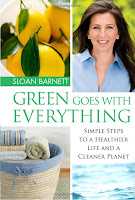
I'm reading a book now, called Green Goes with Everything. In it, the author, Sloan Barnett,
gives fantastic explanations on the ingredients in cleaners, cosmetics, sprays, nail polishes... it is really an eye-opening book. It is highly researched and easy to read. She exposes a ton of information that really surprised me. I highly recommend it, if you are interested in these kinds of things. She also has a GREAT website: GreenGoesWithEverything.com where you can take a quiz to see how your house rates on a toxic level... the green lifestyle is looking and feeling and smelling better and better!

Scour Off!

This is an amazing product. I use in place of Comet - when you need a deep cleanse - for example, in the shower, or in sinks. It's tough, it's effective, and it smells like cherries! (Others describe the smell more like bubble gum...) You only need a small amount, and it scrubs the 'nasties' easily off of the usually hard to clean (tub/tile) areas. There are no harmful ingredients, no poisons, no fumes. It's amazing. I love using it!

I love a clean house!

Especially when I'm not dying of the fumes of the cleaners! ;-D That used to be the part that I HATED... working in a small bathroom with hardly any ventilation, and using all sorts of scrubs and cleaners to make that place sanitary. I would have to leave every few minutes, just to get some 'fresh' air. Even opening windows and turning on fans offered little relief from the potent smells and fumes. Wow. I'm glad those days are over! I really hated that...

Switching to non-toxic cleaners has eliminated this problem, and many more, come to find out. I don't have those nasty chemicals all over my floors and counters - or on my dishes and clothes. So many women have told me they can't imagine switching out their products, because to them, the smell of those products equals cleanliness... well, to me those smells were overbearing and come to find out... actually poisonous. Especially if certain ones are mixed together - even on accident.

Any comments on toxins, chemicals, or poisons in popular every-day household cleaners? Do you believe it or not believe it? I love to hear your thoughts.

Some Stats to consider...

  • According to a 15-year study presented at the Toronto Indoor Air Conference, women who work at home have a 54% higher death rate from cancer than those who work away from home. The study concluded that this was a direct result of the increased exposure to toxic chemicals, many of which are found in common household products.
  • More than 9 out of every 10 suspected poison exposures occur at home with household products.
  • The EPA says that only a fraction of the more than 75,000 registered chemicals have gone through testing for human health concerns.
When I heard all these things, and came to see the harm that common household cleaners were causing, I stopped using them immediately. But I didn't have any alternatives yet - I just stopped cleaning for a few days, until I got my hands on some non-toxic cleaners. To me, a dirty house was much better than a toxic one... thankfully we didn't have to wait long to begin using a safe alternative! ;-D

Monsters under your bed - I mean, your sink!

Look under your sink. It's a very accessible place - for you, for your family members, for the toddler in the house, for the curious pet. That's where we usually keep our cleaning supplies. Now pull out your trusty cleaner friends with whom you spend most of Saturday morning - breathing in their strong fumes, mixing them with other cleaners, making the world a shinier, cleaner place. But, believe it or not, at the end of those few hours, your world is not a safer place. It's hard to believe that those smells and shines are actually harmful to your health, and the health of those for whom you work so hard to keep clean. But it's not me who's telling you so! Read the back labels on your trusty friends. Notice the ingredients they are made with. Pay attention with how to use them... For example, if it says:

CAUTION: An ounce to a pint may be fatal or harmful if swallowed, inhaled or absorbed through the skin by an adult 180-pound man.
WARNING: A teaspoon to an ounce may be fatal or harmful if swallowed, inhaled or absorbed through the skin by an adult 180-pound man.
DANGER: A taste to a teaspoon is fatal if swallowed, inhaled or absorbed through the skin by an adult 180-pound man.

Do any of those all-important bottles contain any of the following ingredients? And don't just trust this list - look them up online!

AmmoniaFatal when swallowed
Ammonium HydroxideCorrosive, irritant
BleachPotentially fatal if ingested
ChlorineNumber one cause of poisonings in children
FormaldehydeHighly toxic; known carcinogen
Hydrochloric acidCorrosive, eye and skin irritant
Hydrochloric bleachEye, skin and respiratory tract irritant
LyeSevere damage to stomach and esophagus if ingested
NaphthaDepresses the central nervous system
NitrobenzeneCauses skin discoloration, shallow breathing, vomiting, and death
PerchlorethyleneDamages liver, kidney, nervous system
Petroleum DistillatesHighly flammable; suspected carcinogen
PhenolExtremely dangerous; suspected carcinogen; fatal taken internally
Propylene GlycolImmunogen; main ingredient in antifreeze
Sodium hypochloritPotentially fatal
Sodium laurel sulfateCarcinogen, toxin, genetic mutagen
Sodium tripolyphosphateIrritant
TrichloroethaneDamages liver and kidneys

To go through life not knowing these facts is one thing - but once I learned, I had to tell whoever I knew might care! There are options out there, so you don't have to be victim to invisible and unknown "trouble causers..."

This website offers an amazing overall summary. Check it out!

The Today Show on MSNBC did a special on Shaklee's Get Clean line. See what they had to say!

Many people are becoming more conscious about these matters. Here's another website summary.

Simple, easy, natural solutions are offered HERE as well.

Of all the options, I'm sold on the Shaklee Get Clean supplies. They are safe, effective, natural, and are very strong cleaners. So check it out! The information is out there for the finding.

It's basic, but do we know it?

Ammonia is a common ingredient in many household and industrial cleaners, especially window-cleaning products. It is also used on farms, and to make fertilizers for farm crops, lawns, and plants. Thus, it is used often in the house, and we use it to help our food grow... but...

"Ammonia is considered a high health hazard because it is corrosive to the skin, eyes, and lungs. Exposure to 300 ppm is immediately dangerous to life and health..."
The Agency for Toxic Substances and Disease Registry provides a long list of FAQs for ammonia. Below is just a snippet from their website:

"No health effects have been found in humans exposed to typical environmental concentrations of ammonia. Exposure to high levels of ammonia in air may be irritating to your skin, eyes, throat, and lungs and cause coughing and burns. Lung damage and death may occur after exposure to very high concentrations of ammonia. Some people with asthma may be more sensitive to breathing ammonia than others. Swallowing concentrated solutions of ammonia can cause burns in your mouth, throat, and stomach. Splashing ammonia into your eyes can cause burns and even blindness."

Now of course, very few of us come in contact with straight ammonia, when it is in its most potent form. It is highly diluted when it makes its way into the home, but there are still warning labels on the bottles - and we are told to never mix it with bleach. The fact of the matter is, the chemical is still dangerous, toxic and is known to provide many health risks - especially when used around the house. So, check this out:

Want to stop living in a toxic home?
Want to eliminate ammonia based-window cleaners?
One 32 oz. bottle of Basic-H equals 4,608 32 oz bottles of Windex OR 188 32 oz. bottles of Fantastik!

Basic-H is a highly concentrated multi-purpose, non-toxic organic cleaner that can be used to clean almost anything! As I've mentioned before, I dilute a couple drops in a bowl of water and soak my fruit and vegetables in it to clean them. ONE DROP in a 16 ounce spray bottle can be used to clean windows and mirrors - a great replacement for windex. 1/4 tablespoon mixed with 16 oz of water provides an all-purpose cleaner, great for countertops, linoleum, marble, patio furniture, sinks, stainless steel, aluminum, tiles, toys, walls, wood... and 1.5 tablespoons with 16 oz of water acts as a degreaser! Believe it or not, my husband actually cleaned the very dirty tires of our car with Basic H as a degreaser - it worked so well!

"Introduced in 1960, Basic H was one of the first biodegradable cleaners. It is versatile, safe, and effective at the recommeded dilutions on all types of materials and surfaces."

Other basic uses:
1. General Cleaning: walls, counters, woodwork, sinks...
2. Windows and Mirrors
3. Kitchen Appliances: greasy stovetops, etc.
4. Pots and Pans
5. Dusting
6. Floors
7. Fine Fabrics
8. Gum
9. Outside windows and screens
10. Windshield Washing Fluid
11. Automobiles
12. Camping

Dirty Dozen Consumer Products!

The National Cancer Prevention Coalition provides a list of "avoidable" consumer products which have been linked with cancer. This list was an eye-opener to me, and was the number one reason why I switched out so many of my cosmetic and cleaning supplies. I think you are going to be shocked by what you find on this list! They offer "safe alternatives," and so does Shaklee. Check them out and see if you use any of these items!

Click here to read Article 1. Click here to read Article 2.

FOOD

1. Beef Frankfurters - (eg. Oscar Mayer Foods Corporation)

2. Whole Milk - (eg. Borden or Lucerne)

COSMETICS AND PERSONAL CARE PRODUCTS

3. Talcum Powder- (Johnson & Johnson. Inc.)

4. Cover Girl Replenishing Natural Finish Make Up (Foundation) (Procter & Gamble. Inc.)

5. Crest Tartar Control Toothpaste - (Procter & Gamble. Inc.)

6. Alberto VO5 Conditioner (Essence of Neutral Henna) (Alberto-Culver USA. Inc.)

7. Clairol Nice 'n Easy (Permanent Haircolor) (Clairol. Inc.)

Indoor Air Pollution: Cleaning Up Cleaning Habits... Most people spend more than half of their lives indoors. The significance of indoor air-quality, has become more important in recent years as a result of efforts to make our homes more energy efficient. As we tighten up our homes to prevent heat exchange, we also prevent air exchange and pollutants released into the home environment are trapped for long periods of time. Second-hand cigarette smoke, gas stoves, and wood-burning stoves and fireplaces are major sources of indoor air pollution. But home products like cleaning agents, aerosols, air fresheners, and disinfectants contribute to the problem. These products may also contain hidden cancer-causing ingredients.

Q. What kinds of chemical ingredients should I be wary of? A. There are a large number of chemicals included in air fresheners and cleaning products that are suspected of causing human health problems. Cancer Prevention Alert No. 8, Hazardous Ingredients in Household Products, lists these in detail. The Safe Shoppers Bible, written by CPC Chairman Dr. Samuel Epstein and Board Member David Steinman, is also a good resource for choosing household products. Carry such a resource along when shopping for cleaning products because many products do not disclose all ingredients, claiming that ingredients are "trade secret."

HOUSEHOLD PRODUCTS

8. Ajax Cleanser (Colgate-Palmolive. Inc.)

9. Zud Heavy Duty Cleanser (Reckitt & Colman. Inc.)

10. Lysol Disinfectant Spray (Reckitt & Colman. Inc.)

11. Zodiac Cat & Dog Flea Collar (Sandoz Agro. Inc).

12. Ortho Weed-B-Gon Lawn Weed Killer (Monsanto Co.)

13. Blue Glass Cleaner (NYCO PRODUCTS)

14. Professional Windex Concentrate Glass Cleaner (S.C. Johnson Wax)

15. Big D Concentrated Aerosol Room Deodorant (Big D Industries)

16. Heavy Duty Institutional Formula WHISTLE All Purpose Cleaner with Ammonia (Drackett Products Company)

17. Dee All-Purpose (Aerosol) Cleaner (Dee Janitorial Supply)

If you are interested in more detailed information, please contact me...